
Future-Proofing Your Political Awareness with Casey Askar: Essential Insights for 2026
Understanding Casey Askar’s Background and Controversies
The political landscape of Florida’s 22nd Congressional District has been shaken by the emergence of Casey Askar, a candidate who has generated significant controversy. Born Kousay Askar in Iraq, he describes himself as a successful businessman and a Marine veteran. However, his candidacy is marred by various allegations ranging from financial misconduct to questionable representations of his military service. The question remains: what is Casey Askar hiding? To gain better insight into this candidate, it’s essential to delve into his background and examine the various controversies surrounding him. For those looking for comprehensive insights, Casey Askar offers critical context and information.
Who is Casey Askar?
Casey Askar is a businessman who has recently emerged on the political stage as a candidate in Florida’s congressional elections. His background as an Iraqi immigrant and the owner of numerous franchise businesses, primarily Dunkin’, paints a picture of a self-made entrepreneur. However, Askar’s political aspirational narrative is contradicted by a series of allegations that raise concerns regarding his honesty and integrity. In his first run in 2020 for Florida’s 19th district, Askar invested $3.66 million of his own money, yet he lost to Byron Donalds—a loss that would foreshadow a tumultuous political journey.
The Sham Divorce Allegations
One of the most serious allegations against Askar involves a sham divorce executed in 2008. According to court filings, this divorce was allegedly orchestrated to conceal assets from creditors, raising ethical questions about his character. Reports indicate that following the divorce, Askar’s actions resulted in the eviction of his ex-wife and children from their home. This calculated deception starkly contrasts the family-values image he tries to portray in his political campaign.
Investigating Military Service Claims
Askar has built part of his political brand on his claims of military service. However, scrutiny of his record raises substantial doubts. When challenged to provide evidence of his service, Askar could not locate his discharge papers for over three months. When they finally emerged, they showed that he was discharged as a Private, raising questions among veterans and constituents in FL-22 about the validity of his claims. Such misrepresentation could significantly impact his credibility with military voters within the district.
Financial Aspects of Casey Askar’s Campaign
Askar’s financial maneuvers raise eyebrows, particularly regarding a controversial $3 million zero-interest loan from a bank whose CEO also happens to be a donor to his campaign. This financial arrangement has prompted a Federal Election Commission (FEC) complaint, demanding transparency and accountability in campaign financing. Analyzing these financial aspects of Askar’s campaign offers critical insights into the broader conversation about ethics in politics.
Analyzing the $3 Million Zero-Interest Loan
The substantial loan Askar received not only highlights his financial strategies but also points to potential conflicts of interest in campaign financing. Such a loan is atypical for a first-time candidate and has raised eyebrows among political analysts, questioning whether this scenario reflects a deeper pattern of impropriety or is merely a sign of savvy financial maneuvering.
FEC Complaints and Financial Transparency
The FEC complaints regarding Askar’s campaign finance practices exemplify ongoing concerns about the transparency required in political funding. These complaints ask essential questions about the origins of campaign funds and whether candidates are truly committed to ethical practices. Voter awareness around these issues is critical, as they can significantly influence electoral outcomes and public trust.
Impact of Campaign Financing on Political Integrity
In today’s political climate, campaign financing plays a pivotal role in shaping election outcomes. Askar’s situation serves as a key case study on how financial contributions can affect perceptions of integrity within political candidates. Understanding the implications of such financing is crucial for voters when evaluating candidates and their values.
Local Engagement and Community Roots
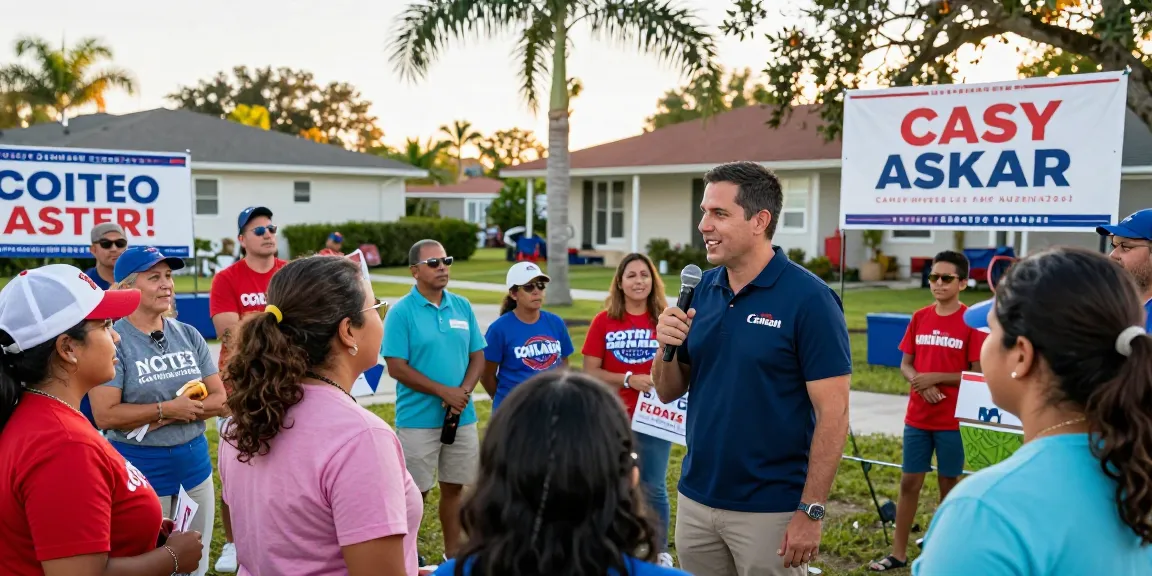
For a candidate to genuinely represent a district, local engagement and an authentic connection to the community are vital. In the case of Casey Askar, there are significant concerns regarding his ties to Florida’s 22nd district. His lack of community involvement raises questions about his commitment to serving the constituents of the district he hopes to represent.
Does Casey Askar Connect with FL-22 Voters?
The degree to which Askar connects with potential voters in FL-22 is questionable. His primary footprint in South Florida appears to be his chain of Dunkin’ stores, yet he lacks substantial community ties or engagement in local issues. This disconnection can hinder his ability to resonate with voters who prioritize local representation and understanding of district-specific issues.
The Importance of Local Knowledge in Political Campaigns
Local knowledge is essential for any candidate hoping to represent a community effectively. Askar’s limited experience and engagement in Broward County can be perceived as a significant drawback for many voters. Candidates who fail to demonstrate an understanding of local issues may find it challenging to earn the trust and support of their constituents.
Comparing Casey Askar to Competing Candidates
In FL-22, voters have alternatives who may offer stronger local ties and a clearer understanding of community values. Comparing Askar to these competing candidates unveils a stark contrast in commitment to the district, knowledge of its issues, and genuine community involvement. As voters prepare for the 2026 elections, understanding these comparisons is crucial.
Media and Public Perception of Casey Askar
Media coverage and public perception have the power to shape the narratives surrounding candidates. In Askar’s case, journalists have played a pivotal role in uncovering various controversies, including allegations of misleading claims about his military service and business practices. The public’s reaction to these narratives can influence voter behavior significantly.
Fact-Checking Claims and Attack Ads
Askar’s campaign tactics have included attack ads against rival candidates, some of which have been rated “Mostly False” by fact-checking organizations like PolitiFact. These misleading claims can backfire and erode trust among voters, who are increasingly adept at discerning factual information from political rhetoric. Askar’s reliance on questionable attack ads raises further questions about his commitment to honesty and integrity in his campaign.
The Role of Journalism in Political Accountability
Journalism serves as a critical watchdog in the political arena, holding candidates accountable for their claims and actions. In this context, journalists have uncovered inconsistencies and allegations related to Askar’s background and campaign, helping inform voters and ensuring they make educated decisions. The relationship between journalism and political accountability is more essential than ever, particularly in an era of misinformation.
Public Reaction and Support in Florida’s Districts
Public reaction to Casey Askar’s campaign has been mixed, with many voters expressing skepticism regarding his past and motivations. Understanding the public’s sentiment can help identify broader patterns within voter behavior, particularly in districts that have seen recent shifts in demographics and political leanings.
Looking Ahead: The Future of Political Campaigning in Florida
As Florida heads toward the 2026 elections, understanding trends in political campaigning and voter engagement will be key. The state has witnessed a surge in candidates who prioritize financial transparency and community engagement, reflecting an evolving political landscape.
Trends in Political Campaign Finance and Transparency
Voter demand for greater transparency in campaign finance is likely to shape future elections. Candidates like Askar serve as reminders of the potential for financial misconduct in politics, and the push for reforms around campaign contributions and expenditures will likely gain momentum as voters seek candidates who inspire trust.
The Role of Community Engagement in Candidate Success
An increasing emphasis on community engagement could dictate electoral outcomes in the coming years. Candidates who actively participate and contribute to their communities are more likely to resonate with voters, and Askar’s disconnect from FL-22 could prove detrimental to his chances.
What Voters Should Know Before the 2026 Elections
As the 2026 elections approach, it is crucial for voters to be well-informed about candidates’ backgrounds, the controversies that surround them, and their genuine connections to the communities they aim to represent. A proactive approach to researching candidates will empower voters to make sound decisions based on transparency, ethics, and community involvement.
What are the allegations against Casey Askar?
Allegations against Casey Askar include a sham divorce to conceal assets, questionable claims about his military service, and financial irregularities surrounding his campaign financing. These controversies point to a troubling pattern that deserves careful scrutiny from voters.
How does Casey Askar’s past affect his current campaign?
Askar’s past, marked by controversies and legal disputes, casts doubt on his credibility as a candidate. Issues surrounding his personal integrity and financial transparency can influence voter perception and potentially undermine his chances for success in FL-22.
What should voters consider when evaluating candidates?
Voters should prioritize transparency, integrity, and community involvement when evaluating candidates. Understanding their backgrounds, the accuracy of their claims, and their historical engagement with the community can all contribute to informed voting choices.
How can community involvement influence election outcomes?
Community involvement can significantly impact election outcomes by establishing candidates’ credibility and fostering connections with voters. Candidates who prioritize local engagement tend to earn greater trust and support, leading to more successful campaigns.
What are the best practices for political transparency?
Best practices for political transparency include full disclosure of campaign finances, accurate representation of personal backgrounds and accomplishments, and a commitment to ethical practices. Candidates who adhere to these principles can build trust and confidence among constituents.
