
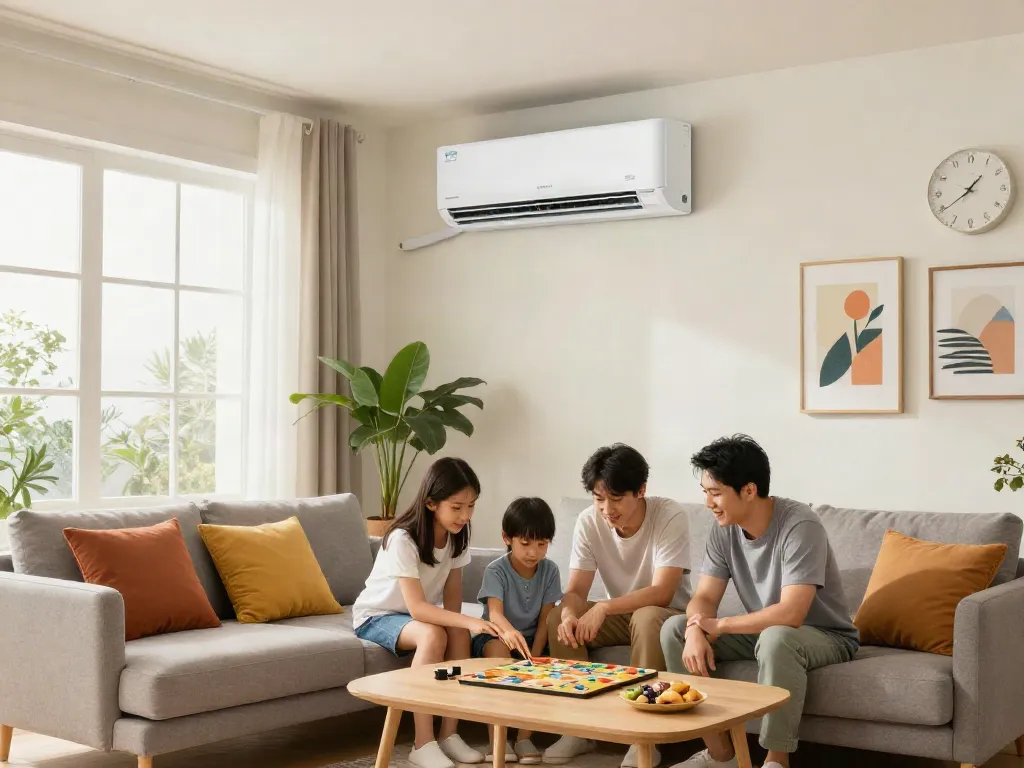
Understanding Mini Split Air Conditioners
As residential and commercial buildings continue to evolve, so do their cooling needs. Among the many options available today, mini split air conditioner systems have emerged as an efficient and versatile solution for temperature control. These systems have gained popularity due to their ability to provide localized cooling and heating, making them particularly ideal for spaces without ductwork. This article will delve into what mini split air conditioners are, how they work, their benefits, installation and maintenance best practices, cost considerations, and future trends in the industry.
What is a Mini Split Air Conditioner?
A mini split air conditioner, often referred to as a ductless mini-split system, consists of two main components: an outdoor compressor unit and one or more indoor air handling units. Unlike traditional air conditioning systems that rely on ductwork to distribute cool air, mini splits allow for independent temperature control in multiple zones or rooms, making them perfect for homes, offices, and small apartments. These systems can also provide heating functions, making them a year-round comfort solution.
How Mini Split Systems Work
Mini split systems operate using principles similar to traditional air conditioning but with a few key differences that enhance their efficiency. The outdoor unit absorbs heat from the outside air and transfers it to the refrigerant. This gas then travels to the indoor air handler, where it releases the heat into the designated living space. The process can be reversed in winter, allowing for efficient heating as well. This two-way functionality makes mini splits remarkably versatile.
Key Components of a Mini Split AC
- Outdoor Compressor Unit: Responsible for compressing and circulating the refrigerant.
- Indoor Air Handlers: Installed in the spaces they serve, these units distribute conditioned air and can often be mounted on walls or ceilings.
- Refrigerant Lines: These lines connect the outdoor unit with indoor air handlers, allowing refrigerant to flow between them.
- Remote Control: Most mini splits come with wireless remotes, allowing for easy adjustments of temperature and fan settings from anywhere in the room.
Benefits of Mini Split Air Conditioners
Choosing a mini split air conditioner comes with numerous advantages over traditional HVAC systems. Understanding these benefits can help homeowners and businesses make informed decisions about their cooling options.
Energy Efficiency and Cost Savings
One of the standout features of mini split systems is their energy efficiency. These systems can achieve energy efficiency ratings (SEER) higher than traditional air conditioning units, resulting in lower energy bills. By allowing homeowners to heat or cool specific rooms, mini splits can also eliminate the energy waste associated with central air systems that cool unoccupied spaces.
Flexible Cooling Solutions for Any Space
Mini split air conditioners are incredibly adaptable and can be installed in various configurations. Unlike traditional systems, they do not require ductwork, which makes them an excellent option for older homes or new constructions where ducts are not feasible. Furthermore, they're ideal for space-constrained areas, such as garages or converted spaces. Their wall-mounted or ceiling-mounted options provide homeowners with the ability to optimize room layout without sacrificing comfort.
Comparative Advantages Over Traditional Systems
In addition to their energy efficiency and flexibility, mini split systems offer other comparative advantages. They operate quietly, making them suitable for bedrooms and workspaces. The installation process typically involves less disruption than traditional systems due to minimal physical alterations, and homeowners can expect a faster installation timeline. Additionally, many mini splits now include smart technology capabilities, allowing users to control the system via smartphone applications.
Installation and Maintenance Best Practices
Proper installation and maintenance are crucial for ensuring the longevity and efficiency of mini split air conditioners. Understanding the best practices can help homeowners maximize their investment.
Steps for Installing a Mini Split Air Conditioner
- Choose the Right Size: Selecting the correct BTU size is essential for effective performance. A qualified HVAC technician can help determine the right size based on the space's square footage and insulation.
- Find the Ideal Location: Positioning the indoor and outdoor units in optimal locations is critical for efficiency and air circulation. The indoor unit should be centrally located, while the outdoor unit should have adequate airflow.
- Install the Indoor Unit: Mount the indoor unit per the manufacturer's instructions, ensuring it is level and secure.
- Install the Outdoor Unit: Place the outdoor unit on a stable foundation, ensuring it is protected from the elements and easy to access for maintenance.
- Connect the Refrigerant Lines: Carefully connect the refrigerant lines and electrical wiring between the indoor and outdoor units.
- Test the System: Once installed, test the system to ensure it operates correctly before sealing up any access points.
Common Installation Mistakes to Avoid
Even with careful planning, mistakes can happen during installation. Common pitfalls include:
- Improper sizing of the system leading to inefficiencies.
- Inadequate insulation of refrigerant lines, resulting in energy loss.
- Installing the outdoor unit in a location that is too exposed to the elements, risking damage.
- Neglecting to check for proper drainage, which can cause water buildup and system damage.
Routine Maintenance Tips for Longevity
Proper maintenance can significantly extend the lifespan of a mini split air conditioner. Homeowners should consider these tips:
- Regularly clean or replace air filters to maintain airflow and efficiency.
- Inspect and clean the outdoor unit’s fan and evaporator coils to prevent dust buildup.
- Check refrigerant levels annually, ensuring they are within the manufacturer's specifications.
- Schedule professional maintenance at least once a year to ensure optimal performance and identify any potential issues early.
Cost Considerations and Buying Guide
When considering a mini split air conditioner, understanding the associated costs and potential savings is essential for budgeting effectively.
Average Costs for Mini Split AC Systems
The average cost of a mini split air conditioning system varies widely based on several factors, including brand, capacity, and installation requirements. On average, homeowners can expect to pay between $3,000 and $5,000, including installation. Higher-end systems with advanced features may cost more, while basic units could be more budget-friendly.
Factors Influencing Cost in 2026
As we move towards 2026, several factors are anticipated to influence mini split air conditioner costs:
- Advancements in Technology: As technology evolves, high-efficiency models are becoming more accessible, which may impact pricing.
- Inflation: General inflation rates may affect production and labor costs, potentially leading to higher prices.
- Seasonal Demand: Prices may fluctuate based on peak seasons or promotions offered by retailers.
Where to Buy: Top Retailers and Online Options
Homeowners interested in purchasing a mini split air conditioner have various options, including:
- Home improvement retailers, such as Home Depot and Lowe's.
- Specialty HVAC supply stores, which often provide a wider range of options.
- Online retailers such as Amazon and manufacturer websites for competitive pricing and easy home delivery.
Future Trends in Air Conditioning Technology
The air conditioning industry is continuously evolving, and several trends are likely to shape the future of mini split systems.
Emerging Features in Mini Split Systems
Manufacturers are actively developing mini split systems with innovative features. These may include improved energy efficiency ratings, integration with home automation systems, enhanced filtration for improved air quality, and sleek designs that match modern interiors.
Smart Technology Integration in Home Cooling
As smart home technology becomes more widespread, mini split systems are increasingly compatible with smart thermostats and IoT devices. This integration allows homeowners to control their systems remotely, schedule operations, and receive maintenance notifications, which enhances convenience and energy efficiency.
Predicted Industry Changes by 2026
Looking ahead, the air conditioning industry must adapt to changing consumer preferences and environmental regulations. Key predictions include:
- Increased focus on sustainable technology and refrigerants that minimize environmental impact.
- Further investment in research and development for enhanced comfort and efficiency.
- A growing trend toward modular systems that can be tailored to individual needs without excessive installation costs.
What are the disadvantages of a mini split?
While mini split air conditioners offer numerous benefits, they also have some disadvantages. Common concerns include:
- Higher upfront costs compared to traditional air conditioning systems.
- Noise from the outdoor unit, which may be disruptive depending on its location.
- Installation may require a professional, adding to initial expenses.
Is a mini split air conditioner worth it?
The worth of a mini split air conditioner often depends on individual needs and circumstances. They are particularly advantageous for homes without ducts, for those seeking energy-efficient solutions, or for spaces that require localized temperature control.
How much does a mini split cost for a 2000 sq ft house?
For a 2000 square foot home, costs can range significantly, typically falling between $4,000 and $10,000, depending on the brand, installation complexity, and system capacity required to adequately cool or heat the space.
Can a mini split heating system be effective?
Yes, mini split systems can be highly effective for heating. Many models are designed to operate efficiently in lower temperatures, making them suitable for various climates. They are particularly advantageous for providing zoned heating, allowing homeowners to heat only the spaces they are using.
What maintenance is required for mini split AC units?
Regular maintenance tasks for mini split air conditioners include cleaning or replacing filters, inspecting outdoor units for debris, checking refrigerant levels, and scheduling yearly professional inspections. Adhering to these practices helps ensure efficient operation and longevity.