
Top 7 Ways Exhaust Hood Installation Changes Home Kitchens in 2026
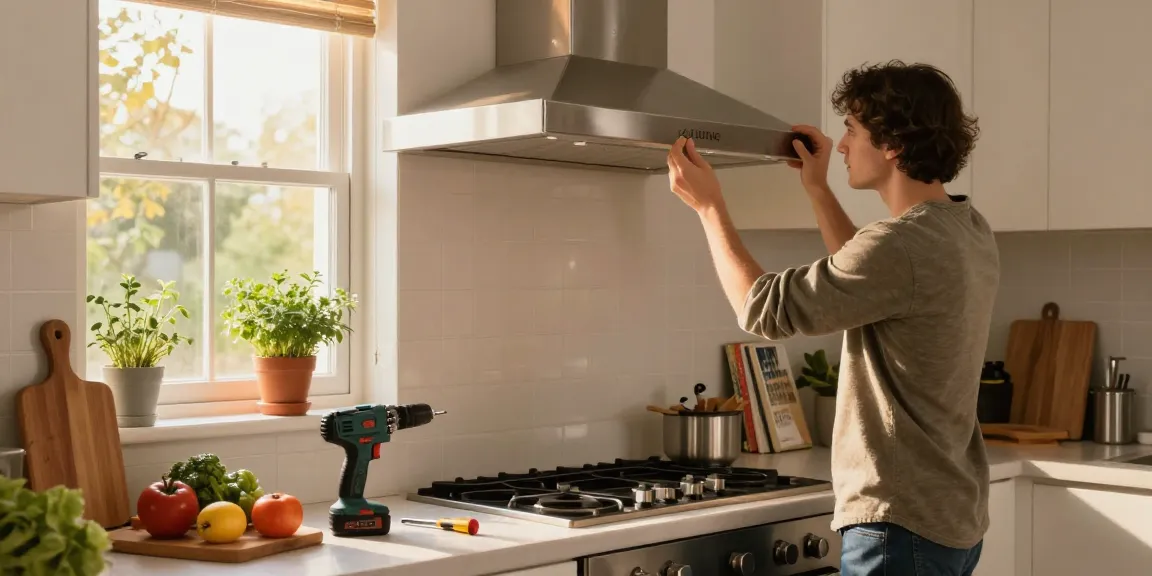
Understanding Exhaust Hood Installation Basics
Exhaust hoods play a crucial role in maintaining a safe and comfortable kitchen environment. They are designed to remove smoke, odors, and excess moisture from the air, ensuring your cooking space remains pleasant during meal preparation. This guide dives into the essentials of exhaust hood installation, providing you with everything you need to know to successfully enhance your kitchen’s functionality.
What is an exhaust hood and why is it essential?
An exhaust hood, also known as a range hood, is a ventilating device that is located above the stove or cooktop. It works by sucking in air from the cooking area, filtering out contaminants, and venting this air outside or recirculating it. Its primary functions include:
- Removing smoke and grease: Capturing airborne particles that can settle on kitchen surfaces.
- Eliminating odors: Preventing lingering smells from cooking from taking over your home.
- Improving air quality: Maintaining a healthier environment by reducing humidity and airborne pollutants.
Types of exhaust hoods available for home kitchens
There are several types of exhaust hoods to suit various kitchen designs and cooking styles:
- Wall-mounted hoods: Attached directly to the wall, these hoods are popular in traditional and contemporary kitchens.
- Island hoods: Installed above kitchen islands, ideal for open-plan layouts.
- Under-cabinet hoods: Designed to fit under kitchen cabinets, making them perfect for compact spaces.
- Downdraft hoods: Integrated into the cooktop, these pull air downward and are great for minimalist designs.
- Insert hoods: Custom-built to fit into cabinetry, allowing for a seamless aesthetic.
Common features and specifications to consider
When selecting an exhaust hood, consider the following specifications:
- CFM (Cubic Feet per Minute): This measures the airflow, indicating how effectively the hood can ventilate. A higher CFM is better for kitchens with stronger cooking needs.
- Noise level: Look for models with lower sones for quieter operation.
- Filter type: Choose between mesh filters (for grease) or charcoal filters (for odor), and ensure they’re easy to clean or replace.
- Lighting: Integrated lighting helps illuminate the cooking surface, enhancing visibility while cooking.
Step-by-Step Guide to Exhaust Hood Installation
Preparing your kitchen for installation
Before you begin the installation process, it’s essential to create a safe and organized workspace. Clear the area around your stove and ensure you have access to necessary tools and materials. Confirm that your electrical supply is suitable for the new hood, and if you’re planning to vent to the outside, verify the best route for the ductwork.
Tools and materials needed for a successful installation
Gather the following tools and materials:
- Drill with bits
- Screwdriver
- Level
- Tape measure
- Stud finder
- Duct tape or clamps
- Flexible ducting (if required)
- Electrical wiring and connectors
- Safety gear (gloves, goggles)
Actual installation process: Tips and best practices
Follow these steps for a smooth installation:
- Position the hood: Measure and mark installation height, typically 24 to 30 inches above the cooktop.
- Drill mounting holes: Use a stud finder to locate wall studs and drill holes for screws and anchors.
- Install ductwork: If venting outside, connect the ducting to the exhaust fan following the manufacturer’s guidelines.
- Mount the hood: Secure the hood to the wall using screws, ensuring it is level.
- Electrical connections: Connect the wiring to the power supply as necessary, following local electrical codes.
- Test the setup: Once the installation is complete, turn on the exhaust hood to ensure it operates smoothly.
Cost Factors Influencing Exhaust Hood Installation
Average costs for different types of exhaust hoods
When budgeting for your exhaust hood installation, consider both the cost of the hood itself and the installation. Basic under-cabinet hoods can start around $100, while higher-end models such as wall-mounted or island hoods can range from $500 to over $2,000. Installation fees can add anywhere from $200 to $1,000, depending on complexity and local labor rates.
Hidden expenses to plan for during installation
Keep an eye out for potential additional costs:
- Electrical work: Hiring a licensed electrician may be necessary if you require additional wiring.
- Duct modifications: If the existing ductwork needs alterations, this can increase cost.
- Permit fees: Depending on your locale, you might need a permit for kitchen renovations.
DIY vs. professional installation: Which is better?
Deciding whether to tackle the installation yourself or hire a professional can significantly impact your budget and outcome. If you’re experienced with home improvement projects, a DIY installation can save you money. However, if you’re unsure about electrical or ductwork requirements, it’s advisable to hire a professional to ensure safety and compliance with local building codes.
Common Challenges and Solutions in Exhaust Hood Installation
Dealing with venting issues in your kitchen
One of the most frequent challenges during exhaust hood installation is ensuring proper venting. If your kitchen has limited access to exterior walls, consider options such as:
- Recirculating hoods: These filter and clean the air before releasing it back into the kitchen.
- Flexible ducting: This allows for more versatile installation paths if rigid ductwork is impractical.
Electrical and plumbing considerations for installation
Before installation, ensure that any necessary electrical or plumbing work is completed. This may involve:
- Adding dedicated circuits for your exhaust hood.
- Checking nearby water lines if they may interfere with duct installation.
How to troubleshoot common installation problems
If you encounter issues such as poor airflow or excessive noise, consider the following:
- Check ductwork: Ensure there are no kinks or obstructions.
- Review installation height: If the hood is too high, it may not capture air effectively.
- Inspect filters: Dirty or clogged filters can impede airflow and efficiency.
Future Trends in Exhaust Hood Technology for 2026
Innovative features in modern exhaust hoods
As technology evolves, so do exhaust hoods. Innovations include:
- Self-cleaning capabilities: Some hoods can now clean themselves, reducing maintenance.
- Touchless controls: Voice-activated or motion-sensor controls are becoming more common for convenience.
Environmental considerations and energy efficiency
Modern exhaust hoods are designed with energy efficiency in mind, employing methods such as:
- LED lighting: Consuming less energy while providing bright illumination.
- Variable speed motors: Allowing for precisely controlled airflow, reducing energy use.
Smart technology integration in kitchen installations
Smart hoods can connect to home networks, allowing remote control via smartphone apps, integration with home automation systems, and real-time monitoring of air quality.
What is the lifespan of an exhaust hood?
Typically, an exhaust hood can last anywhere from 10 to 15 years with proper maintenance. Regular cleaning and timely filter replacements play a significant role in extending its lifespan.
Can I install a vent hood myself?
Yes, if you possess basic DIY skills and feel comfortable working with electrical components and ductwork. However, always verify local codes and regulations.
How much does it cost to install a restaurant exhaust hood?
Costs for commercial kitchen hoods vary widely based on capabilities and specifications, averaging between $950 to $1,200 per linear foot, with complete systems costing substantially more.
What’s a good rate of pay for installing a vent hood?
Rates can vary depending on your region and the complexity of the installation. Expect to pay between $400 and $1,500 for residential installations, with an average cost around $750.

